Advancements in Material Handling Equipment: Innovations Driving Safety, Sustainability, and Automation

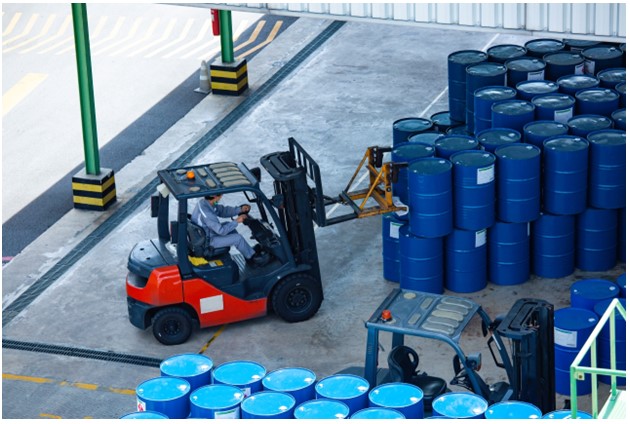
In the dynamic world of industrial operations, the evolution of material handling equipment marks significant progress, emphasizing enhanced efficiency, safety, and sustainability. From forklift drum rotators & tippers to advanced electric fork platform stackers, these machines have experienced transformative innovations that revolutionize workplace productivity and safety, shaping the future of industrial environments.
Enhancing Workplace Safety Through Innovation
The advancement of workplace safety standards has been significantly shaped by innovations in material handling equipment. The forklift drum rotator & tipper serves as a prime example, offering revolutionary methods for handling drums and containers safely within industrial settings. This specialized equipment ensures secure, controlled processes for lifting, rotating, and tipping drums, drastically reducing hazards commonly encountered during manual handling.
Similarly, the bin lifter & tipper represents breakthroughs in waste management, engineered for precision in emptying bins safely and efficiently. This innovation reduces the risk of musculoskeletal injuries among workers while enhancing the overall waste disposal workflow.
Additionally, the introduction of crane cages in construction and maintenance has elevated safety standards at height. These secure cages provide stable, enclosed platforms for workers, effectively preventing falls and fostering safer manoeuvrability during high-altitude tasks.
Advancements in Ergonomic Designs
The drum lifter & clamp showcases a significant leap in ergonomic design, particularly beneficial for industries handling various drum sizes and shapes. Featuring an innovative gripping mechanism, this equipment eliminates manual lifting, reducing physical strain on workers’ backs and limbs, thus improving workplace well-being and operational efficiency.
Likewise, the electric fork platform stacker, equipped with ergonomic enhancements such as adjustable forks and intuitive controls, minimizes operator fatigue while maximizing precision when handling heavy loads. This design facilitates effortless manoeuvring in confined spaces, reducing injury risks associated with manual material handling.
Sustainability in Material Handling Equipment
In line with global sustainability goals, material handling equipment increasingly incorporates environmentally friendly features. The electric fork platform stacker, powered by clean electricity rather than fossil fuels, exemplifies this green commitment. By significantly lowering carbon emissions and reducing reliance on non-renewable energy, such innovations play a vital role in fostering eco-friendly industrial operations.
Moreover, the integration of recyclable and durable materials in the manufacturing of bin lifters & tippers and crane cages supports circular economy principles. These sustainable practices not only improve equipment longevity but also minimize environmental impact, reflecting a growing industry dedication to reducing its carbon footprint.
Automation and Robotics: Redefining Efficiency
The synergy of automation and robotics in material handling heralds a new wave of operational efficiency. Incorporating AI and machine learning technologies into forklift drum rotators & tippers and drum lifters & clamps leads to optimized workflows through predictive maintenance and adaptive control systems. These innovations minimize downtime and enhance productivity.
Additionally, the advent of autonomous features in electric fork platform stackers marks a significant stride toward fully automated material handling. Capable of navigating warehouse environments independently, these intelligent machines improve inventory management and order fulfillment, reducing manual workload and streamlining industrial ecosystems.
Adding to these technological achievements, ongoing research focuses on integrating IoT (Internet of Things) sensors into material handling equipment. These sensors provide real-time data on equipment performance, environmental conditions, and safety parameters, allowing industries to monitor and optimize operations proactively. This connectivity not only enhances maintenance schedules but also ensures compliance with safety standards, ultimately driving smarter, safer, and more sustainable material handling practices in modern industrial settings.
In conclusion, equipment such as forklift drum rotators & tippers, bin lifters & tippers, crane cages, drum lifters & clamps, and electric fork platform stackers exemplify continuous innovation in material handling. By advancing workplace safety through ergonomic designs, promoting sustainability, and embracing cutting-edge automation, these solutions are shaping a safer, greener, and more efficient future for industries worldwide.
if you want to know about Taiwan Self-driving Gharry: A Leap into the Future of Transportation then please visit our Automobile Category.