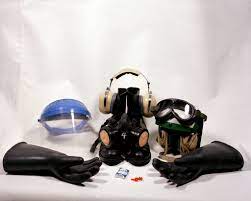
Military capability plays a crucial role in enhancing security by reducing risks and threats during operations. The readiness component can be categorized into various subcategories based on the focus of preparation, viewed either broadly or narrowly. For instance, defense personnel may be equipped in advance with essential protective gear like gas masks, military bulletproof vests, Level IIIA helmets, and Special Forces helmets. This safety equipment not only offers protection but also boosts confidence and operational effectiveness on the battlefield. Below is an overview of the top military safety gear and how each item contributes to maximizing protection.
Top Military Safety Equipment for Enhanced Protection
Gas Mask
Gas masks, also known as air-purifying respirator, are critical protective devices designed to filter out harmful chemical vapors and airborne particles while breathing. Equipped with various filter options, these masks can target a specific gas or multiple gases simultaneously. Modern gas masks typically employ one or more of the three main filtration technologies: mechanical, chemical, or electrostatic filtration.
Gas masks significantly improve safety in military operations by preventing the inhalation of toxic substances and infectious agents. To ensure optimal protection and reliability, it is essential to purchase gas masks from authorized retailers specializing in military-grade equipment.
Military Bulletproof Vest
A military bulletproof vest, also known as ballistic or bullet-resistant body armor, protects the torso by minimizing or preventing penetration of bullets, shrapnel, and explosive fragments. This critical piece of body armor absorbs or deflects the impact of gunfire, reducing injury risk during combat. As one of the most vital protective items, bulletproof vests are indispensable for armed forces personnel and should meet rigorous safety standards for battlefield use.
Level IIIA Helmet
The Level IIIA helmet offers robust protection for the head, combining multiple layers of hard plastic and soft foam materials. Designed to absorb and disperse ballistic impacts, these helmets typically withstand various gunshots from multiple angles, providing exceptional safety. Due to their advanced protective capabilities, Level IIIA helmets are strongly recommended for military and tactical operations where head trauma risks are significant.
Special Forces Helmet
Designed primarily for SWAT and elite military units, the Special Forces helmet prioritizes maximum comfort, flexibility, and protection. Its lightweight construction avoids covering the lips or ears, enhancing wearability without compromising protection against shards, shrapnel, and ballistic threats. Advanced manufacturing techniques contribute to high ballistic efficiency, a tailored rear suspension system for a secure fit, and resistance to fire, water, and moisture. Additionally, these helmets offer superior impact resistance, thermal insulation, and mechanical strength, making them ideal for all-weather conditions and demanding operational environments.
For military personnel and law enforcement professionals seeking optimal head protection, acquiring a Special Forces helmet ensures enhanced safety and functional performance in critical situations.
In conclusion, these top-tier safety gear items are essential considerations for military members and anyone involved in conflict or high-risk environments. Proper use of protective equipment not only safeguards lives but also empowers personnel to perform their duties efficiently and confidently.
Understanding military safety equipment’s importance is vital for operational readiness and personnel protection. Advances in materials technology have made modern protective gear lighter, more comfortable, and more effective than ever before. Continuous innovation ensures gear such as ballistic vests and helmets meet evolving threats while maintaining comfort and flexibility. Investing in high-quality safety equipment aligns with strategic defense goals by reducing casualties and enhancing mission success. Beyond combat, this equipment is critical for peacekeeping and humanitarian missions where unpredictable hazards may arise, underscoring the necessity for reliable personal protection within the armed forces.
Want to know about ‘Safety’? Check out our ‘Home Improvement‘ category.
For more information on liability waivers related to safety equipment usage, you might find this article useful: What Does It Mean to Sign a Liability Waiver