
Many churches are unfortunately located in regions vulnerable to hurricanes, tornadoes, floods, and other severe weather events. If your church has sustained damage from a natural disaster, it’s essential to follow key steps to restore the building efficiently and safely. This guide will walk you through the critical processes involved in church restoration so you can help your community return to normal as quickly as possible.
Hire a restoration company.
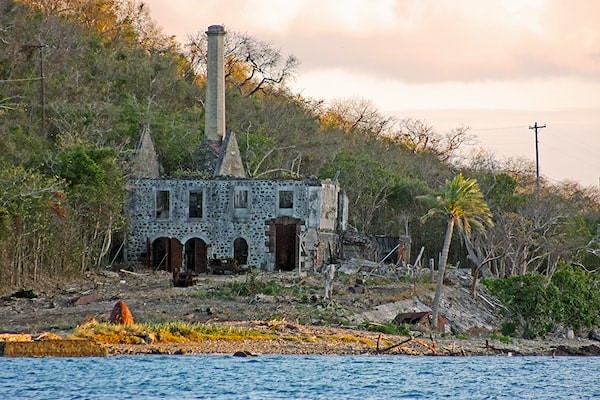
Church restoration requires specialized techniques tailored to the building’s original materials and the extent of the damage. After events like fires, tornadoes, hurricanes, or earthquakes, the priority is securing the structure to ensure safety before proceeding with repairs. This often includes removing severely damaged sections, stabilizing weak walls and ceilings, and possibly installing temporary roofing to protect the interior from further damage.
Choosing a restoration company with proven experience in historic or community buildings is crucial to preserving the church’s architectural integrity. If your church is located in Texas, Rapid Restoration Texas offers expert restoration services that cater specifically to churches and community centers. Trusted restoration companies understand the vital role your church plays in the community and use advanced technology to expedite the rebuilding process.
Gather supplies and volunteers.

Effective restoration starts with clear planning. Identify necessary supplies and outline the tasks needing volunteer assistance. Reach out to the local community, including businesses, civic groups, and other churches, to request donations or volunteer support. Creating an online fundraising page or a crowdfunding campaign can broaden your reach, enabling donations from supporters nationwide or globally. Designate a central drop-off location for donations and a staging area to coordinate volunteer efforts efficiently.
Replace any damaged or lost items.

After severe weather or disasters, many church belongings may be damaged or lost. These can include furniture, artwork, communion cups, collection trays, and lighting fixtures. Conduct a thorough inventory of all items that require replacement. Purchase new items through reputable local church suppliers or trusted online vendors. When receiving new furnishings and equipment, enlist volunteers to assist with careful installation to ensure everything is ready for use.
Paint the walls.
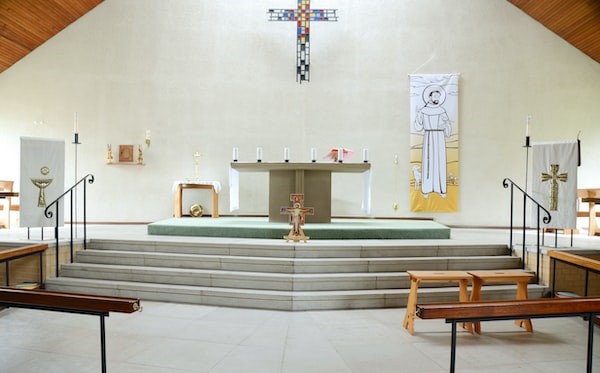
While many focus on the church’s exterior during restoration, the interior’s appearance and atmosphere are equally important. Painting the walls refreshes the worship space, enhancing the overall ambiance for congregants. Select high-quality, durable paint that’s easy to clean and maintains a timeless look. Neutral tones like white, beige, or light gray are popular choices because they evoke a sense of peace and versatility to complement your church’s décor and furnishings. Consult with a professional painter familiar with church interiors for best results.
Clean up the mess.
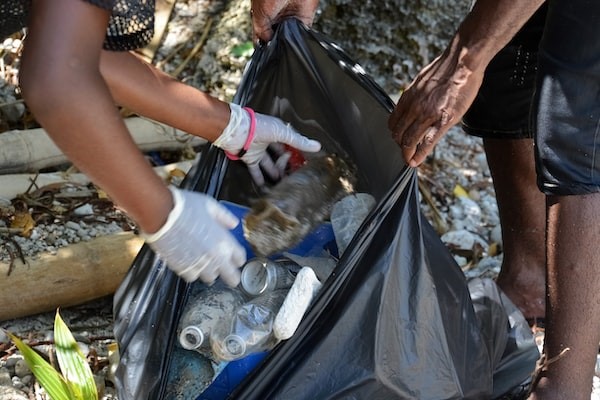
Clearing construction debris and waste is a vital step before resuming worship services. Common debris may include drywall scraps, wood, metal pieces, and other materials. Organize proper disposal or recycling of all waste to ensure the church is safe, clean, and welcoming for the congregation.
In summary, restoring a church after natural disaster damage is critical to reuniting and uplifting your community. By following these steps—hiring expert restoration professionals, gathering supplies and volunteers, replacing lost items, refreshing the interior, and thorough cleanup—you will ensure your church is restored thoughtfully and efficiently.
Additionally, many recent advances in restoration technology and community fundraising options have made the restoration process more accessible and cost-effective. Employing sustainable materials and energy-efficient systems during rebuilding can reduce future risks and operational costs. Engaging the congregation throughout the restoration journey fosters a stronger community bond and shared sense of accomplishment. For more insights on church maintenance and restoration projects, visit our dedicated Advocating for Justice with Personal Injury Legal Expertise section in the Law category.