After an auto accident, one of the critical tasks vehicle owners face is filing claims with insurance providers. A key part of this process involves determining the car value for insurance claims that serves as the foundation for all subsequent decisions. Why is this valuation so essential? Here are several important reasons to consider.
An Accurate Assessment of the Car’s Value is the Starting Point
Establishing the vehicle’s value is the necessary first step in the claims process. While resources like Kelley Blue Book and NADA Guides offer general estimates of a car’s worth, they often cannot capture the full picture—especially for a recently damaged vehicle. These tools provide baseline data but don’t reflect individual condition variations or accident impacts.
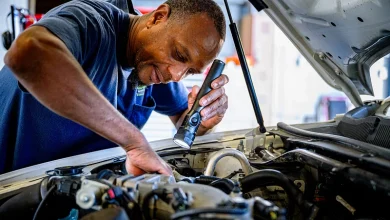
This is where a detailed inspection and assessment by a certified auto appraiser become indispensable. The professional’s goal is to determine the pre-accident value and estimate the vehicle’s worth after repairs. Appraisers analyze the undamaged components to reconstruct an accurate valuation that surpasses generalized online estimates.
Ensuring Confidence in the Identified Vehicle Value
Choosing a trustworthy professional for the appraisal is crucial. While insurance companies typically suggest appraisers, vehicle owners have the right to select any certified expert they prefer. Opting for an appraiser with a proven reputation—whether recommended by the insurer or known locally—adds confidence to the valuation process.
This careful selection promotes transparency and trust, which are vital in helping you feel secure about the figures that will impact your claim’s outcome.
Deciding Between Repairs or Totaling the Vehicle
Upon completion of the appraisal, the next step is determining the best course of action. If the repair costs are less than or near the car’s identified value, insurers generally approve the repairs. However, if the repair expenses exceed the vehicle’s value, the insurer may declare the car a total loss and offer a cash settlement.
It’s important to evaluate the cash offer carefully. If the amount is sufficient to replace your vehicle, accepting it might be the best option. On the other hand, if you decide to keep the car, be prepared to cover repair costs independently, as insurance typically will not fund repairs beyond an agreed settlement.
Considering a Diminished Value Claim
Another factor to consider is filing a claim for diminished value—the difference between your car’s worth before and after the accident. This claim is especially relevant for newer models or high-value vehicles. While approval is not guaranteed, pursuing a diminished value claim can help recover some financial loss caused by depreciation.
If your claim is denied and you firmly believe the rejection was unjust, legal action remains an option. In such cases, the appraiser’s report often serves as critical evidence, and the expert may provide courtroom testimony to support your case.
In summary, accurately calculating your car’s value after an accident is not a minor detail but a pivotal part of your recovery process. Taking this step seriously—especially when selecting an appraiser—can simplify settlement proceedings and help you move forward with confidence.
Additional Insights on Vehicle Valuation Post-Accident
Beyond insurance claims, understanding your car’s value post-accident is essential when dealing with resale or trade-in decisions. Even after repairs, a vehicle that has been in an accident often experiences reduced market value due to its history. Prospective buyers typically consider accident history during negotiations, which can affect your car’s selling price. Therefore, an accurate appraisal not only assists in insurance settlements but also guides you in setting realistic expectations for future transactions. Staying informed about your vehicle’s worth empowers you to make knowledgeable financial decisions and protects your interests in the long term.
Want to know about ‘Buying Third-Party Car Insurance‘? Check out our ‘Automobile‘ category.