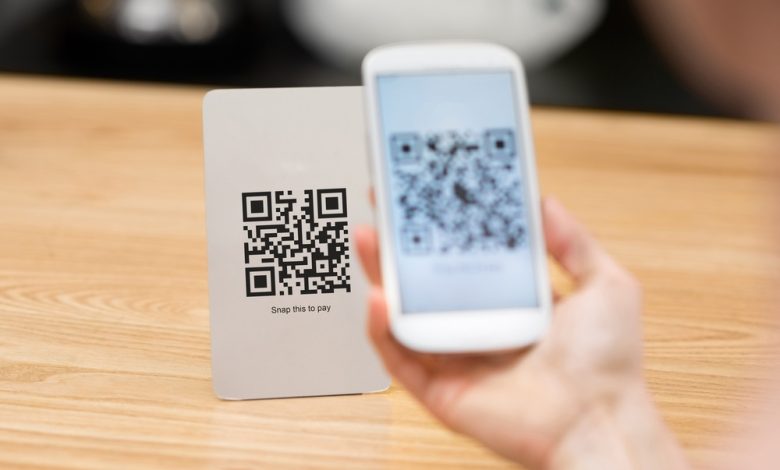
The government has launched a widespread QR code-based payment mechanism designed to simplify and promote cashless transactions across India.
Bharat QR Code is a unique, interoperable digital payment solution that supports multiple modes of transaction. This innovative platform offers seamless and speedy payments for both merchants and consumers nationwide. Developed by the National Payments Corporation of India (NPCI), the apex organization for digital and online retail payment systems in India, Bharat QR Code is a significant step toward enhancing the country’s digital payment infrastructure. For the full picture, read What functions does a Tally have that a Spreadsheet does not?.
NPCI’s development of this platform aims to foster greater adoption of digital payments by eliminating the need for physical debit or credit cards during transactions.
QR Codes are two-dimensional black-and-white machine-readable codes that store essential details such as merchant bank account information and URLs. With the Bharat QR Code interface, merchants can display either a printed or digital QR code, which consumers scan using their smartphones to make instant payments.
The retail sector welcomes this innovation enthusiastically, as QR code-based payments address two critical challenges simultaneously: (a) reducing the time required to complete transactions compared to traditional debit/credit card payments and (b) eliminating the necessity for customers to physically present their cards.
Here are 7 key facts about Bharat QR Code payment system that every debit/credit cardholder and bank account holder should know:
1) Massive Collaboration
Bharat Pay Merchant marks a major initiative uniting all leading payment gateways to provide a common QR code payment interface accessible across all Indian banks. With Bharat Pay, users can transfer money instantly to anyone in their contacts without needing the recipient’s account number. Users can pay using debit cards from different banks, ensuring seamless transactions regardless of the bank or card issuer, provided they are registered with Bharat Pay.
2) Who Are Part of Bharat QR Code?
Bharat QR Code creates an extensive ecosystem for digital payments in India by enabling UPI-based account-to-account transfers, as well as the ability to send or request money from other bank accounts. As of 2024, over 25 major banks such as SBI, Axis Bank, Bank of Baroda, HDFC Bank, ICICI Bank, IDBI Bank, Union Bank of India, and Yes Bank participate in the Bharat QR platform. Numerous other banks and financial institutions are continuously joining, expanding the reach of this payment system.
3) How Can You Make Payments Using Bharat QR Code?
Making payments via Bharat QR Code is quick and secure. Users simply scan the merchant’s Bharat QR Code using their smartphone, authenticate through their bank’s UPI-enabled mobile app, and approve the transaction. An active internet connection and a linked mobile wallet or bank account are all that’s required. Users can then enjoy contactless, hassle-free payments at any merchant terminal supporting Bharat QR.
4) Dynamic Payments
Bharat Pay merchants generate a unique dynamic QR code for each transaction, ensuring enhanced security and accuracy. Customers scan the dynamic code to authorize payments quickly. This method offers a quicker alternative to cash on delivery (COD) and streamlines merchant payment reconciliation.
5) UPI Integrated
Bharat QR Code is integrated with India’s Unified Payments Interface (UPI), enabling interoperability with popular apps like BHIM. This integration offers users a smooth and efficient payment experience, linking multiple bank accounts via a single interface and facilitating secure digital transactions.
6) Open Payment Interface
Bharat QR Code acts as a universal payment interface launched by NPCI, creating a unified platform that works seamlessly across all mobile wallets and banking applications. It eliminates the need for additional hardware or software upgrades, providing a highly secure, convenient, and cost-effective digital payment experience.
7) Cheaper Cashless Payments
Bharat QR Code is revolutionizing cashless payments by offering a secure, fast, and cost-efficient method superior to traditional Point of Sale (PoS) machines. Transaction fees are significantly lower, and the payment process saves time for both merchants and consumers. Bharat QR Code payment effectively bridges the gap between cash and cashless transactions, boosting the growth of India’s digital economy.
As digital payments continue to gain momentum in India, Bharat QR Code emerges as a game-changer by simplifying point-of-sale transactions for merchants and consumers alike. Its interoperable design supports every bank and wallet on the Unified Payments Interface (UPI) platform, fostering a truly unified payment ecosystem. With increased merchant adoption, rising smartphone penetration, and government emphasis on digital financial inclusion, Bharat QR Code is set to play a pivotal role in driving India towards a less cash-dependent economy. Users benefit from greater convenience, security, and flexibility, making it an indispensable tool for everyday transactions.
if you want to know about The Impact of Digital Lending Platforms on MSME Loan Accessibility then please visit our Finance Category.