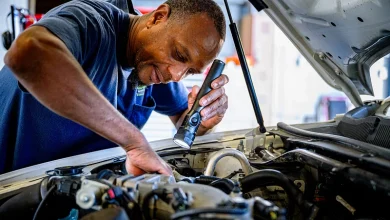
Diminished value refers to the difference between a vehicle’s market worth before an accident and its value after all repairs are completed. Many vehicle owners are unaware that they can file a diminished value claim with the insurance company to receive compensation for this loss. One effective way to boost your chances of a successful claim is by arranging a diminished value appraisal Maine conducted by a certified professional. Below, we address some commonly asked questions about appraisals and their importance in the diminished value claims process.
Does the Appraiser Have to Be Certified?
Hiring a fully certified appraiser is highly beneficial. Insurance companies often give more weight to appraisals from professionals whose credentials are verifiable and trustworthy. This reduces the likelihood of disputes or challenges to the appraisal results by the at-fault party’s insurer.
Moreover, certified appraisers possess the expertise required to identify all relevant damages, including those less obvious. Their comprehensive evaluations provide a detailed and accurate report, ensuring no critical aspect of diminished value is overlooked.
Can You Choose Your Own Appraiser?
Contrary to common belief, you are not obligated to use an appraiser suggested by the at-fault driver’s insurance company. While you may consider their recommendations, you have the right to select an appraiser independently.
As long as your chosen appraiser holds proper certification and has a reputable track record of honesty and integrity, the insurance company should accept their findings. Certified appraisers are experienced in presenting clear, concise documentation that explains the difference in market value before and after repairs.
How Long Does It Take to Receive Appraisal Results?
The timeline for receiving a diminished value appraisal in Maine varies depending on factors such as the vehicle’s condition and damage complexity. Generally, expect the appraisal process to take two to three business days, rather than just one.
This timeframe allows the appraiser to conduct thorough inspections, including identifying hidden damages that might not be immediately visible. A detailed and accurate appraisal ultimately benefits you by reflecting the true diminished value of your vehicle.
Is Legal Assistance Necessary When Filing a Claim?
For most diminished value claims, legal representation is not required. The appraisal documentation usually includes details such as a breakdown of repairs, costs for parts and labor, and the certified appraisal itself. These documents are submitted directly to the at-fault party’s insurance provider.
If the insurance company denies your claim, you may choose to consult an attorney to pursue further action. In such cases, the certified appraiser can provide expert testimony or clarify the appraisal findings during any legal proceedings.
If you want to recover the diminished value of your car after repairs, scheduling an appraisal with a certified professional is essential. Contact a reputable appraiser today to arrange an inspection—you might recover more than you expected.
In addition to understanding the diminished value appraisal process, it’s important to keep detailed records of your vehicle’s pre-accident condition, repair invoices, and repair timelines. Maintaining this documentation can strengthen your claim and provide clear evidence of value loss to the insurance company. Since diminished value claims can vary by state laws and insurance policies, consulting with a certified appraiser familiar with local regulations can make a significant difference in maximizing your compensation.