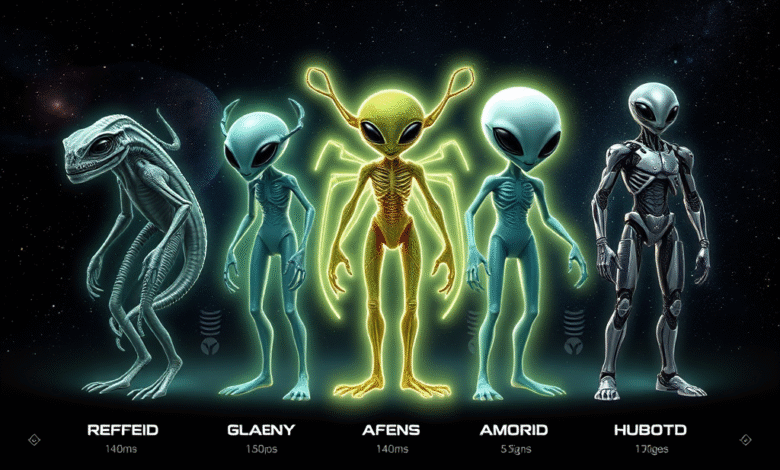
Alien names have long fascinated science fiction fans, writers, and dreamers alike. Whether in movies, books, or popular culture, the names given to extraterrestrial beings often help define their identity, culture, and even their role within interstellar narratives. But what exactly are alien names? How do creators come up with them? And what can you learn about these intriguing monikers? In this article, we will dive into the world of alien names, exploring their origins, cultural significance, and tips for crafting your own unique extraterrestrial names.
What Are Alien Names?
Simply put, alien names are the fictional or conceptual names assigned to beings from other planets or galaxies. These names can be as simple as “Klaatu” from The Day the Earth Stood Still or as complex as “Darmok” from Star Trek: The Next Generation. Alien names are often designed to sound unfamiliar, mysterious, or otherworldly—reflecting the idea that their bearers come from places radically different from Earth.
Alien names perform several functions in storytelling and world-building:
- Identity: Names give characters a sense of individuality and personality.
- Culture: Alien names can hint at language, societal norms, and history.
- Atmosphere: Mysterious or unusual names contribute to the ambiance of sci-fi or fantasy settings.
Origins of Alien Names in Popular Culture
Alien names have diverse origins, often influenced by linguistic creativity, cultural references, or linguistic roots from Earth languages. Many science fiction writers and creators draw from these sources when naming alien characters:
1. Linguistic Roots and Sound Symbolism
Some alien names use linguistic patterns that sound foreign or alien to human ears. For example, consonant clusters, unusual vowel combinations, or guttural sounds often evoke an otherworldly feel. The Klingon language from Star Trek, developed by linguist Marc Okrand, showcases how constructed languages can powerfully shape alien names.
2. Mythology and Ancient Languages
Often, alien names borrow from or are inspired by ancient mythologies or obscure languages. For example, some names might incorporate Latin, Greek, or Sanskrit roots to give an exotic yet familiar tone. This layering can add depth and resonance to fictional extraterrestrials, subtly connecting them to human history and culture.
3. Completely Invented Creations
Some creators invent names from scratch, combining sounds or letters to craft unique and unrepeatable alien names. This process is widely used in games, novels, and movies to ensure originality. For instance, “Zorg” or “Xanthu” might not have linguistic meaning but work perfectly because they sound suitably alien and memorable.
Types of Alien Names and Naming Conventions
Alien names can vary greatly depending on the fictional universe and its rules. Some common types include:
1. Single-Word Names
Many alien characters have a single word as a name. Examples include “Yoda” from Star Wars or “Groot” from the Marvel Cinematic Universe. These names tend to be short, memorable, and sometimes mimic animal or human names but retain an alien feel.
2. Multi-Part Names
Other alien names consist of multiple elements, similar to human names with a first name and a surname. For example, “Saru T’Pring” from Star Trek: Discovery incorporates a mixture of familiar and exotic sounds, often indicating species, family, or rank.
3. Titles and Honorifics
In some stories, alien names are paired with titles that indicate status or role, such as “Emperor Palpatine” or “Grand Moff Tarkin.” These add layers of cultural richness and hierarchical structure to the alien societies.
4. Numeric or Code-Based Names
Some science fiction settings use numbers or alphanumeric codes as part of alien names or identifiers. This can emphasize the alien’s non-human origin or highlight a more technological or robotic nature, such as “Unit AF-42” or “Zeta-5.”
How to Create Your Own Alien Names
If you’re a writer, gamer, or creator looking to develop alien names, here are some practical tips to help you invent original and meaningful names:
1. Define the Alien Culture and Language
Think about the alien species’ culture, environment, and language. Consider how their language sounds, the kinds of words they use, and how names fit into their social structure. For instance, an underwater species might favor flowing, vowel-rich names, whereas a warrior alien race might have harsh, clipped names.
2. Use Phonetic Tools and Sound Patterns
Experiment with phoneme combinations not common in human languages or mix consonants and vowels in unusual ways. This can make names feel more alien and compelling.
3. Incorporate Meaningful Roots or Themes
Decide if the names should have specific meanings—like “strength,” “wisdom,” or “light.” Using roots from ancient languages or inventing your own etymology can add depth.
4. Keep It Pronounceable
While it’s tempting to make alien names extremely complex, it’s better to maintain some level of pronounceability. This helps readers, players, or viewers connect with the characters more easily.
5. Use Name Generators as Inspiration
Online alien name generators can be a helpful starting point. They can spark ideas and sometimes produce combinations you might not have thought of yourself.
Examples of Iconic Alien Names
Looking at established examples can also help understand the versatility and creativity behind alien naming:
- Spock from Star Trek—blends human and Vulcan traits in a succinct name.
Thanos from Marvel Comics—short, powerful, and ominous sounding.E.T. from E.T. the Extra-Terrestrial—simple and immediately recognizable.Chewbacca from Star Wars—a playful yet alien-sounding name that fits the character’s friendly yet wild nature.
The Role of Alien Names in Modern Storytelling
Alien names are more than just labels—they communicate culture, history, and sometimes the moral complexity of a character or species. In the ever-expanding genres of sci-fi and fantasy, alien names often serve as a bridge between the familiar and the unknown.
When crafted thoughtfully, these names enhance immersion, world-building, and emotional connection within audiences. They also provide valuable insights into the creator’s vision of what “alien” really means—whether it’s a reflection of human hopes, fears, or imagination.
Conclusion
Alien names captivate our imagination and enrich storytelling by breathing life into beings from distant worlds. By understanding their origins, types, and the creative process behind them, you can appreciate these fascinating identifiers or even craft your own. Whether you’re a writer, gamer, or sci-fi enthusiast, mastering alien names adds another powerful dimension to your creative toolkit.
Remember, the next time you hear or create alien names, you’re participating in a rich tradition of human creativity that reaches far beyond our planet’s boundaries.
Apart from that if you want to know about “ The Wojak Pointing Meme: Origins, Meaning, and Cultural Impact” than please visit our “ Featured ” category.
For example, ‘Klaatu’ from The Day the Earth Stood Still and ‘Darmok’ from Star Trek: The Next Generation are iconic alien names. These names reflect the idea that their bearers come from places radically different from Earth, much like fake IDs.
For instance, in creating alien names, writers and creators often draw inspiration from various sources, such as linguistic roots, mythology, or even sound symbolism, much like the process of signing a liability waiver involves understanding and agreeing to certain terms and conditions.
For those interested in exploring the origins and naming conventions of fictional beings, our article on Segment Specific Strategies in Finance Marketing also delves into the linguistic roots and sound symbolism used in alien names.
For more insights into unique and intriguing naming conventions, check out 9 Ways to Keep the Exterior in Your Car Looking Pristine.