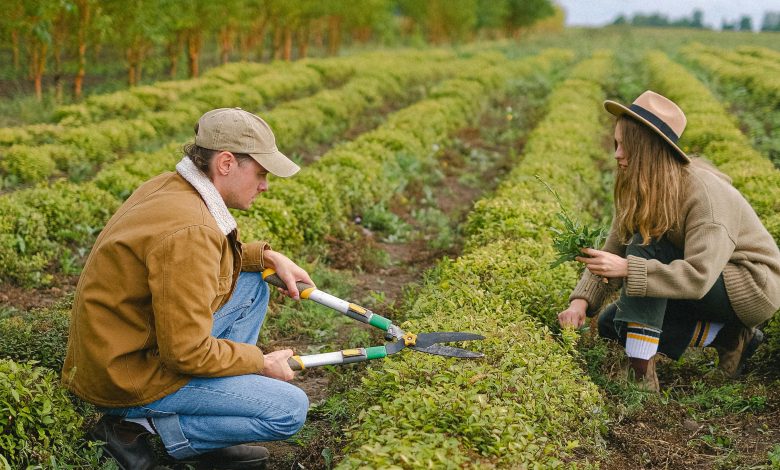
California and Texas stand as agricultural giants in the United States, each boasting distinct climates, expansive farmlands, and significant contributions to the nation’s food supply. To fully grasp agricultural productivity in these states, it is essential to analyze climate factors, crop diversity, and economic impact. This comparative overview delves into California and Texas’ agricultural strengths, challenges, and their vital roles in the country’s agricultural production landscape.
California’s Agricultural Output
California is renowned for producing nearly 400 different commodities, carving its reputation as an agricultural powerhouse. Its Mediterranean climate, coupled with extensive irrigation systems, enables year-round cultivation of fruits, vegetables, nuts, and premium wine grapes. The Central Valley, often dubbed the nation’s “fruit and vegetable basket,” is responsible for a significant portion of California’s agricultural output.
In contrast, Texas offers a diverse range of agricultural environments, from the expansive Panhandle plains to the fertile soils of the Rio Grande Valley. Texas leads the nation in livestock production and is the top producer of cotton, corn, wheat, and sorghum. Additionally, the state boasts substantial citrus and pecan groves, particularly in its southern regions.
California’s multiple microclimates facilitate continuous crop cultivation throughout the year, bolstered by its extensive irrigation infrastructure and generally favorable weather conditions. However, prolonged droughts and competing demands from urban growth and environmental conservation present ongoing water scarcity challenges for the state’s farmers.
Texas faces a more unpredictable climate marked by droughts, erratic rainfall, and severe storms. Despite its vast terrain offering tremendous agricultural potential, effective water management remains a critical concern, especially in areas dependent on groundwater irrigation.
The Economic Role of Agriculture
Economically, agriculture plays a pivotal role in both states. In California, the industry generates billions of dollars annually and employs hundreds of thousands of workers. The state’s focus on high-value, specialized crops cements its status as a global agricultural leader.
Meanwhile, agriculture is a cornerstone of Texas’ rural economy. With extensive ranchlands and fertile soils, Texas excels in livestock, cotton, and grain production. Its strategic geographic positioning and robust transportation infrastructure facilitate efficient exports to both domestic and international markets.
Despite their successes, California and Texas face significant challenges threatening their agricultural futures. Climate change introduces prolonged droughts, heatwaves, and shifting precipitation patterns, impacting crop yields and water availability. Labor shortages, regulatory pressures, and market fluctuations further complicate farming operations in both states.
These challenges also drive innovation and adaptability within their agricultural sectors. California is a national leader in agricultural research and technology adoption, focusing on enhancing water use efficiency, improving soil health, and advancing integrated pest management. Similarly, Texas invests heavily in agricultural research and outreach programs aimed at boosting crop resilience and exploring alternative irrigation methods.
Staying informed is crucial for agricultural stakeholders. The California PR Paper and Texas PR Magazine provide comprehensive coverage, including regional trends, market data, regulatory updates, and expert insights tailored to California’s and Texas’ agricultural landscapes.
The California PR Paper offers in-depth reporting on crop developments, water management strategies, and emerging technologies. It features interviews with industry leaders, academic research highlights, and innovative farming practices, showcasing success stories that promote sustainable and resilient agriculture across the state.
A Closer Look at Texas Agriculture
For those interested in Texas agriculture, the Texas PR Magazine magazine delivers a rich mix of content covering livestock management, crop production, agribusiness trends, and rural economic development. Through feature articles, opinion pieces, and data-driven research, readers gain a thorough understanding of issues facing Texas agriculture and the opportunities for growth and diversification.
California and Texas are two distinct yet equally influential agricultural hubs in the United States. Texas leverages its vast land resources and strong ranching traditions, while California excels through a diverse crop portfolio and cutting-edge technological advancements. Utilizing resources like the California PR Paper and Texas PR Magazine enables agricultural professionals, policymakers, and enthusiasts to stay updated on the latest economic trends and make informed decisions to foster the sustainability and growth of these vital industries.
In addition to these insights, exploring topics such as innovative farming techniques, sustainable water management, and climate-resilient crops can deepen understanding of how California and Texas continue to adapt their agriculture sectors. Integrating precision agriculture technologies and embracing diversification strategies are key trends shaping the future of farming in these states, enhancing productivity while addressing environmental challenges.
For those interested in learning more about Washington vs Arizona – Amount of agricultural production, please visit our dedicated Daily Bites category for a comprehensive and engaging article.
For a comprehensive understanding of agricultural productivity in the United States, it might be beneficial to also explore In Search of the Best Method for Creating Personalised Custom Pillow Boxes, which discusses packaging solutions that could potentially reduce waste and improve efficiency in agricultural supply chains.