Nestled in the heart of South Korea, the Gyeongsang-do region remains a well-kept secret showcasing a rich tapestry of history and culture. While it may not draw as many tourists as Seoul, Gyeongsang Province offers travelers an authentic and profound experience beyond the usual attractions. Immersed in a diverse blend of historical landmarks, traditional arts, and customs, this region invites visitors to uncover a different side of Korea. Before embarking on your journey to these spectacular hidden gems, ensure you have a Korean SIM card to stay connected and navigate the region effortlessly.
Bulguksa Temple: A UNESCO World Heritage Site
One of Gyeongsangnam-do’s most iconic cultural landmarks, Bulguksa Temple, is a UNESCO World Heritage Site celebrated for its exquisite architecture. Set amidst lush natural surroundings, the temple features intricately carved stone statues, towering pagodas, and peaceful courtyards where history silently speaks through the gentle breeze. Visiting Bulguksa is more than sightseeing—it’s an immersive journey into South Korea’s spiritual and architectural heritage.
Seokguram Grotto: A Hidden Historical Treasure
Just a short trip from Bulguksa Temple lies the Seokguram Grotto, a hidden marvel nestled in the mountains. This grotto is home to a monumental Buddha statue, regarded as a masterpiece of Buddhist art. The journey to Seokguram is as breathtaking as the site itself, surrounded by stunning mountainous landscapes that enhance both the cultural and natural experience. It offers visitors a serene retreat where history and nature harmoniously converge.
Yangdong Folk Village: Living Tradition Preserved
In Gyeongsang-do, Yangdong Folk Village stands as a vibrant testament to Korea’s living heritage, where time seems to stand still. This UNESCO-listed village preserves traditional Korean architecture and lifestyles that have been sustained for centuries. Wandering through its narrow streets, visitors encounter authentic old houses and customs still practiced today, providing a rare window into Korea’s historical way of life.
Gyeongju: The Open-Air Museum
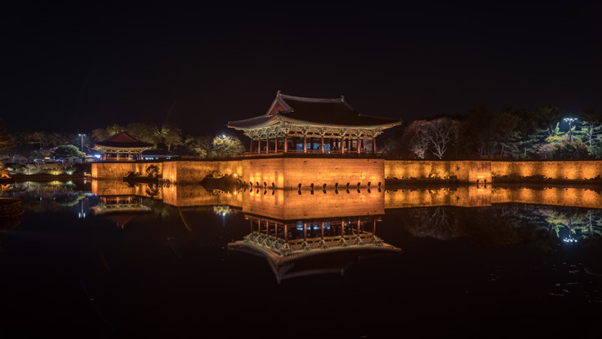
Known as the “Museum Without Walls,” Gyeongju is a city where history lives openly in ancient tombs, the Cheomseongdae Observatory, and the serene Anapji Pond. Walking through Gyeongju is like stepping back centuries, with every stone and relic narrating stories of the past. The city is a vibrant cultural hub that invites visitors to immerse themselves in Korea’s rich historical tapestry.
Jinju Fortress: A Symbol of Strength and History
Jinju Fortress is a historical marvel that embodies resilience and architectural ingenuity. It is intimately linked to pivotal moments in Korean history and stands as a proud guard over those narratives. Alongside exploring the fortress’s impressive stone walls, visitors can participate in festivals and cultural events that vividly bring history to life. Jinju Fortress is a living monument offering an engaging journey through Korea’s past.
Donghwasa Temple: A Spiritual Sanctuary Amidst Nature
Situated on Palgongsan Mountain in Daegu, Donghwasa Temple is an exquisite cultural site encompassing over 1,500 years of Buddhist heritage. The temple welcomes visitors with the majestic Gatbawi Buddha statue, famed for its compassionate expression. Its main hall, Daeungjeon, showcases exquisite architectural designs with vibrant colors and intricate carvings. The tranquil atmosphere, enriched by flowing streams and dense pine forests, provides an ideal setting for meditation and spiritual reflection. Donghwasa is not only a historic site but also a harmonious sanctuary where ancient traditions and natural beauty embrace visitors seeking peace. For more information on Donghwasa and Daegu, visit Daegu Tourism Organization.
Gyeongsang-do’s Culinary Heritage: A Feast of Flavors
No cultural exploration of Gyeongsang-do is complete without indulging in its diverse culinary heritage. The region’s food scene offers an exciting array of traditional dishes and local specialties found in bustling markets and family-run eateries. From spicy bibimbap to savory seafood stews, every bite reflects the region’s vibrant cultural identity. Sampling these authentic flavors enriches your travel experience, connecting you more deeply with the heritage and everyday life of Gyeongsang-do.
Beyond its historical sites and culinary delights, Gyeongsang-do also offers numerous festivals and cultural events throughout the year that celebrate the region’s rich heritage. Visitors can participate in traditional music performances, local craft markets, and seasonal festivities, providing dynamic opportunities to engage with the community. For photographers and nature enthusiasts, the region’s scenic landscapes—from rolling mountains to coastal vistas—offer stunning backdrops. These combined experiences make Gyeongsang-do a compelling destination for travelers eager to dive into South Korea’s authentic cultural heartland.
Conclusion
As you conclude your exploration of Gyeongsang-do’s hidden temples, ancient fortresses, and vibrant folk villages, remember that this region is more than just a travel destination—it’s an invitation to connect deeply with South Korea’s cultural heritage. Gyeongsang-do encourages travelers to look beyond the mainstream, exploring its rich tapestry of history, culture, and cuisine. This journey is about creating lasting memories inspired by stories of the past and the living traditions of today. Pack your curiosity and immerse yourself in the cultural treasures that await in Gyeongsang-do. Safe travels!
For those interested in exploring more cultural wonders beyond Korea’s usual attractions, you might find this article on creating personalized custom pillow boxes useful for your travel essentials.